


In 2018, we gave PIRATE Summit a theme for the first time. We wanted something that fit the Zeitgeist.
The debates about the negative side effects of tech were reaching a tipping point. People in the startup scene were starting to question their own roles. We certainly were. It was time to take a stance.
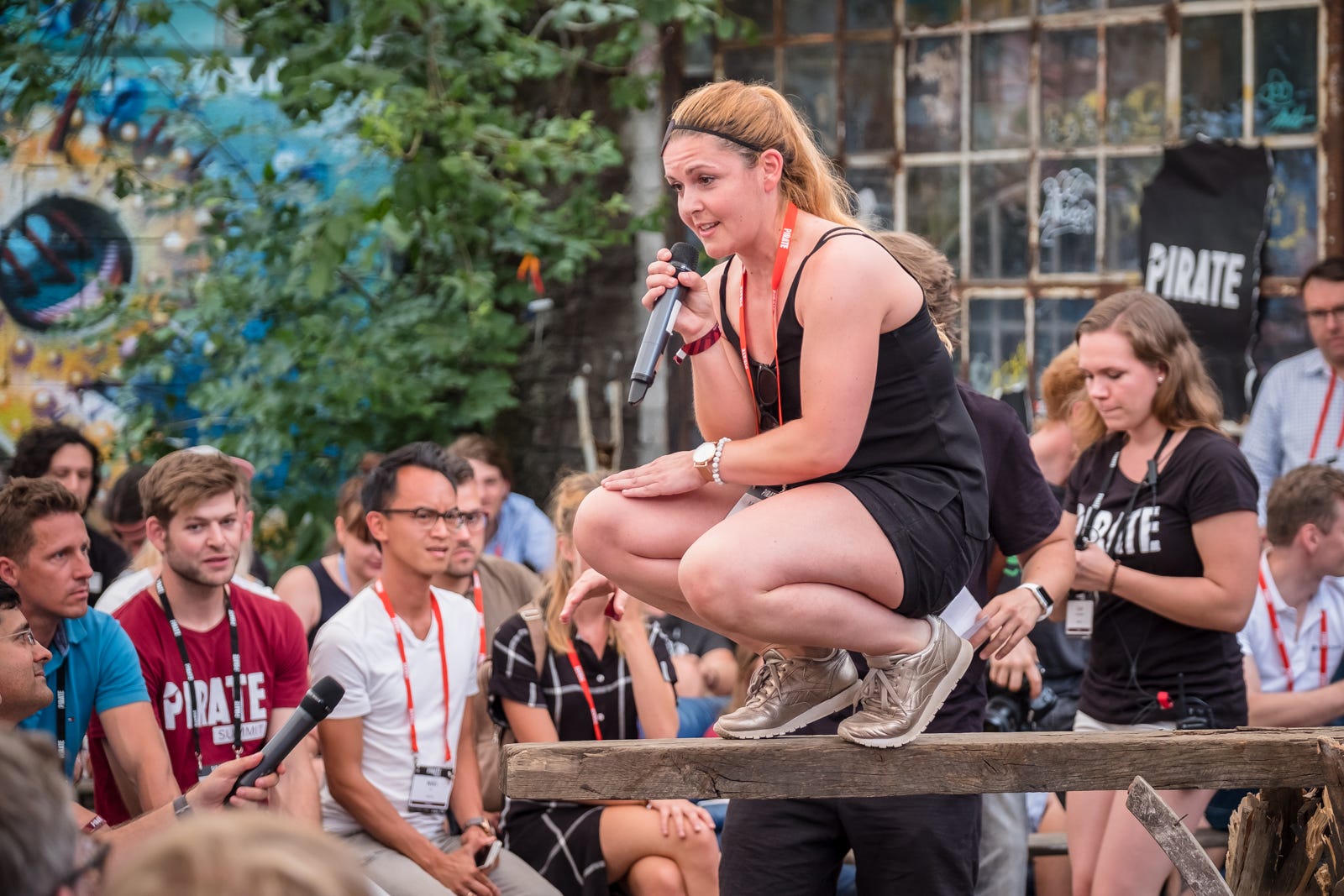
We love entrepreneurship.
That might sound obvious coming from us, but I want to say it plainly because the rest of this piece is going to push on some things, and the pushback only makes sense if the love is understood first.
We love what entrepreneurs do. There is a creative force in entrepreneurship - in German we’d call it schöpferische Kraft - that I find genuinely beautiful. It’s the force that looks at a broken thing and says “I can fix that.” The nagging dissatisfaction with the status quo. The inability to just walk past inefficiency without wanting to build something better.
That force is rare. It’s valuable. And I think the world needs more of it, not less.
When an entrepreneur builds a solution to a problem, that solution changes the market. It shifts the equilibrium. The old way of doing things gets replaced, or at least challenged. That shift is what we call disruption, and it’s the natural outcome of entrepreneurship done well.
We started PIRATE Summit in 2011 because we wanted to give those builders a space. A place to connect, to be among their own, to celebrate the act of creating something where nothing existed before. We wanted to help entrepreneurs succeed.
What took us a few years to fully articulate is that the act of disruption itself has no inherent quality. It isn’t good. It isn’t bad. It’s neutral. It’s just change.
And that’s where it gets interesting.
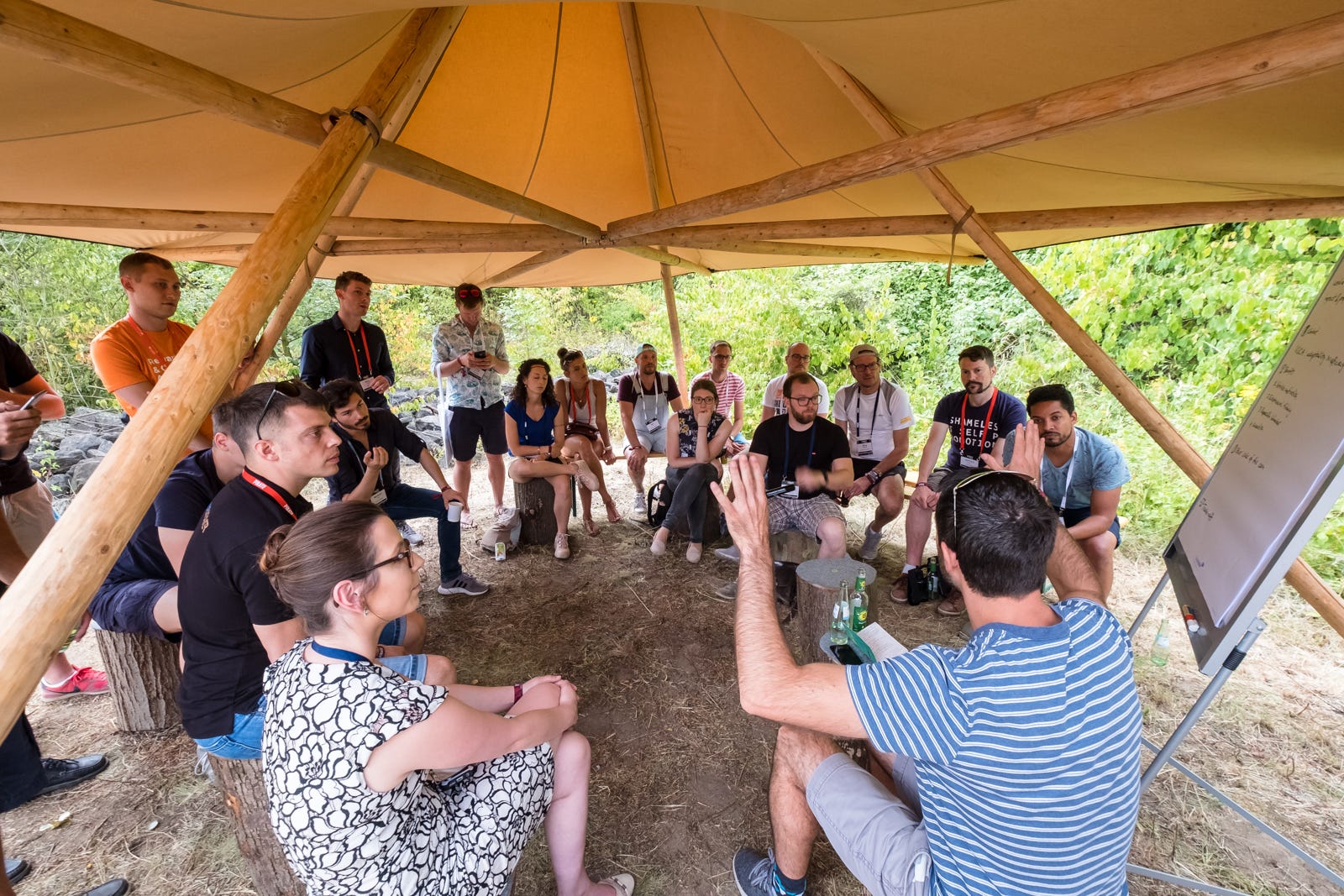
The Force Without a Compass
The same creative energy that builds a company providing clean water to underserved communities can also build a platform that erodes democratic discourse. The force is the same. The direction is different.
This became hard to ignore around 2017 and 2018.
Facebook was building one of the most powerful communication platforms in human history. One of their most popular mantras sounded great on a poster: move fast and break things.
And here’s the thing. When you’re small, that motto kinda works. The blast radius is limited. If you break something, you fix it. You learn. You iterate. The impact on the world outside your office is marginal.
But Facebook wasn’t small anymore. And they were still breaking things. Except now “things” meant public discourse, elections, mental health at scale, the information ecosystem of entire countries. The ethos hadn’t changed. The scale had.
That gap between the ethos and the scale is where the damage happens.
And it wasn’t just Facebook. Tech companies were optimizing for engagement without asking whether engagement was good for the user. Startups were disrupting industries and leaving displaced communities as someone else’s problem. Business models were extracting value from places their founders had never visited and probably couldn’t point to on a map.
Criticizing innovation isn’t something new. But what felt novel in 2018 was that people inside the startup scene were starting to question this. The creators themselves. That was a shift.
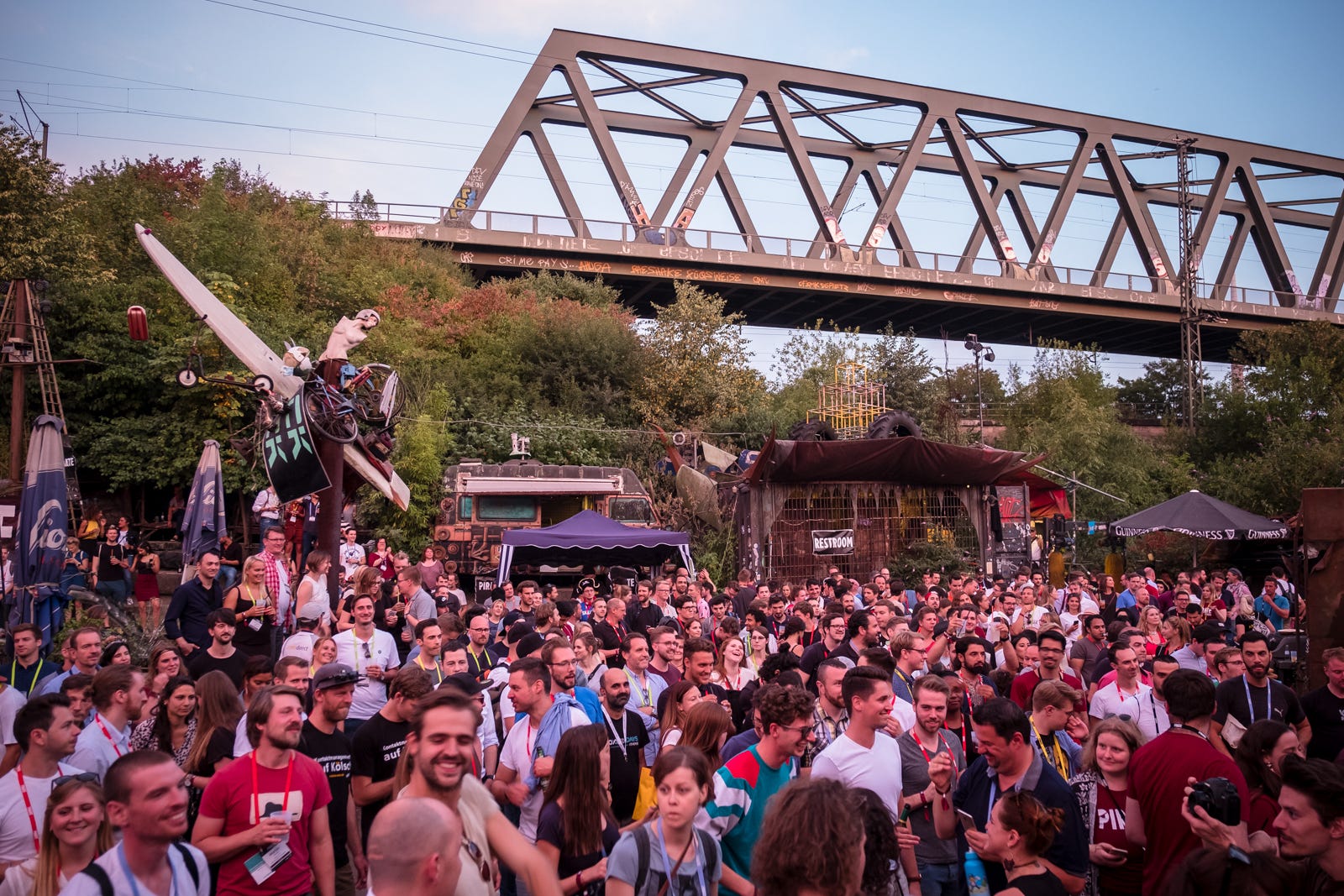
The “Ehrbarer Kaufmann”
There’s an old German concept that I think about a lot in this context: Ehrbarer Kaufmann - the honorable merchant.
It goes back centuries. The idea is simple: a merchant trades, makes profit, builds wealth. But the honorable merchant does this with integrity. With a sense of responsibility toward the community, the trading partners, the broader society. The profit isn’t the only measure of success. The conduct is part of it.
This isn’t charity. It’s not philanthropy. The ehrbarer Kaufmann is, first and foremost, a merchant. A businessperson. Someone who trades to earn a living. But one who understood, intuitively, that the how matters as much as the what.
That idea predates corporate social responsibility, ESG frameworks, and impact investing by hundreds of years. And it’s remarkably practical: do business honestly, treat people fairly, leave the market a little better than you found it.
I think this concept deserves a comeback. Especially in tech. Because technology gives entrepreneurs enormous leverage. You can reach millions of people with a small team. You can automate processes that used to require entire workforces. You can shape behavior at a scale that previous generations of merchants couldn’t have imagined.
The more leverage you have, the more your values matter. A corner shop with questionable ethics has limited impact. A platform with 2 billion users and questionable ethics reshapes civilization.
That’s not hyperbole. We’ve seen it happen. We’re still watching it play out.
Purpose Is Not an NGO
I want to be clear about what we mean by “purpose,” because the word gets misused.
Purposeful disruption doesn’t mean turning your startup into a charity. It doesn’t mean sacrificing profitability for social good. It doesn’t mean adding a “give back” page to your website and calling it a day.
You can do well and do good at the same time. In fact, I suspect the companies that last tend to do both. Because doing good builds trust, and trust is the most durable competitive advantage there is.
What purpose does mean is having a compass. An inner direction that goes beyond “maximize shareholder value.” It means asking, before you ship the product or close the round or scale the team: is this making something better? Or am I just making something bigger?
That question doesn’t have a clean answer in every situation. Business is messy. Trade-offs are real. But the act of asking it - honestly, repeatedly - changes the kind of company you build.
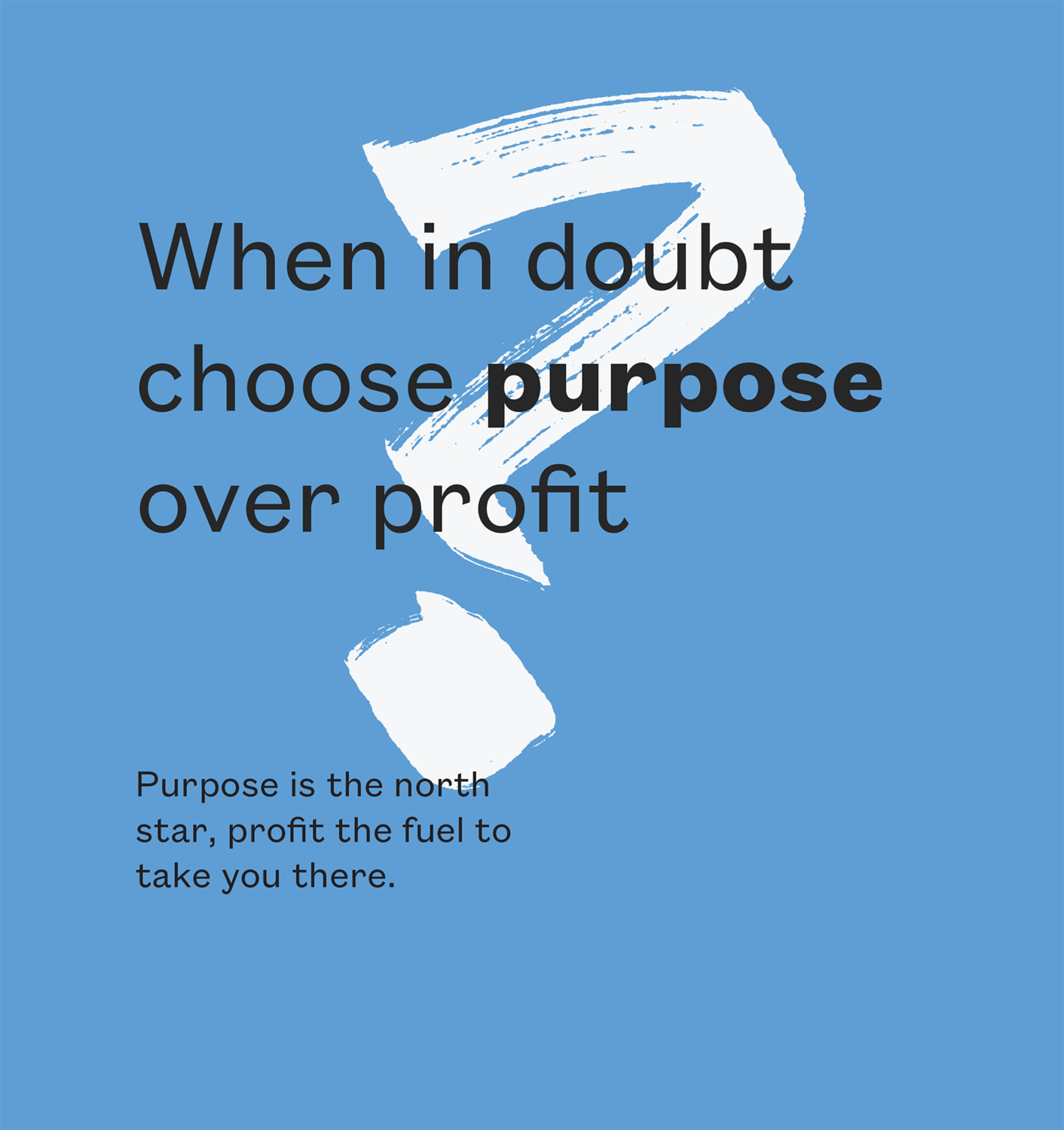
Why We Made This a Theme
We didn’t invent this conversation. But we wanted to give it a stage.
For 7 years, PIRATE Summit had celebrated entrepreneurship. We brought founders together, we celebrated building, we created a space for honest exchange. Starting in 2018, we wanted to be more specific about what kind of entrepreneurship we think matters.
We wanted to say: we love your creative force. We want more of it. And we think it’s worth pointing that force in a direction that serves more than yourself.
Yes, you can raise a lot of money with the next Tinder for Dogs. Markets exist for trivial things, and there’s nothing wrong with building something lighthearted. But the startup ecosystem as a whole would benefit from a little more intentionality. A little more asking “why this?” before jumping to “how fast?”
The innovation we need most is the kind that tackles hard problems while building businesses that are profitable, responsible, and run by people with a functioning moral compass. That’s not idealism. It’s the ehrbarer Kaufmann with a laptop and a pitch deck.
The creative force of entrepreneurship is precious. Let’s not waste it on things that make the world worse.
If we had to boil this whole theme down to a single sentence, it would probably be this: don’t move fast and break things. Move fast and fix things.
Purposeful Disruption was the theme of PIRATE Summit 2018. It was followed by #intheblack in 2019, #SolveRealProblems in 2020, #RaiseYourSails in 2021, #RaiseYourself in 2022, and #BurnToRelearn in 2023.
🙏
Be kind,
Manuel